Civic Responsibility and Independence: What July 4th Means for Modern Young Americans

Free PopSmart Open House: Science Olympiad and National Science Bowl! Click here!

What we're talking about!
Check back often for updates!
Freedom is worth celebrating. So are the responsibilities that come with it.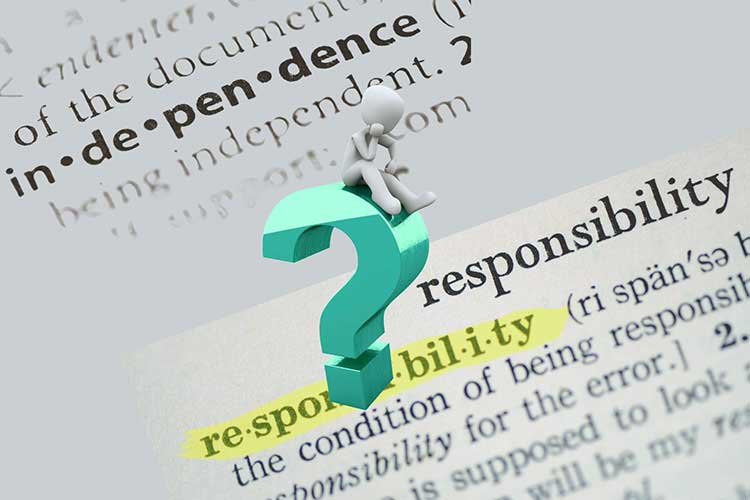
Every July 4th, America does what it does best: gathers. Around barbecues, in parks, on front lawns and rooftops, watching fireworks burst against a summer sky. It is a celebration of freedom, loud, joyful, and well-earned.
But somewhere between the sparklers and the potato salad, there is a quieter question worth asking, especially if you have young people at the table.
What does independence actually mean? What does it ask of us?
Freedom, as it turns out, is not a destination. It is an ongoing project. One that requires participants who are active, informed, and caring citizens. They show up not just on election day, but in the everyday moments that hold a community together. Raising children who understand this is one of the most meaningful things we can do as parents and educators. July 4th is one of the best opportunities of the year to start the conversation.
The Declaration of Independence is a remarkable document. It is bold, visionary, and soaked in the language of rights — life, liberty, the pursuit of happiness. What it does not spell out, but what history has made clear, is that rights without responsibility are unstable things. They erode. They get taken for granted. They need tending.
Civic responsibility is the other side of the freedom coin. It is the understanding that living in a community, a city, or a country, comes with obligations that extend beyond ourselves. Paying attention. Showing up. Caring about what happens to people we may never meet.
This is not a political idea. It transcends party lines and policy debates. It is something far more foundational: the belief that the health of a society depends on its members choosing, day after day, to invest in it.
For children, this concept does not need to arrive through a civics textbook. It can arrive through a conversation over corn on the cob. Through a question. Through a story.
Rights without responsibility are unstable things.
They need tending and that is something every generation has to learn for itself.
One of the challenges of teaching civic responsibility to children is that it can sound abstract. Voting, legislation, and public policy are real and important, but they feel distant to a nine-year-old who is more interested in whether the fireworks will be purple this year.
The key is to bring it closer. Civic duty is not only about what happens in Washington. It is about what happens on your street.
Noticing
Active citizenship begins with paying attention. Who in your neighborhood might need help? What could be better about your local park, your school, your block? Children who are taught to notice, really notice, the world around them develop the empathy and awareness that civic engagement is built on.
Showing Up
There is something deceptively simple about showing up to a community clean-up, a local meeting, a neighbor's moving day. It communicates something that no speech can: I am here, and what happens here matters to me. Children who watch adults show up learn that participation is a value, not an inconvenience.
Speaking Up Respectfully
Democratic citizenship requires the ability to express a view, listen to a different one, and find a way forward that does not require the other person to be wrong. This is a skill that is practiced in debate, in family dinner conversations, in classrooms where disagreement is handled with curiosity rather than contempt. It does not come naturally to most people. It has to be taught and modelled.
Caring About People You Will Never Meet
This might be the hardest civic muscle to build and the most important one. The ability to care about the quality of schools in a neighborhood you don’t live in, the safety of communities you have never visited, the opportunities available to children whose lives look nothing like your own. This is the empathy that holds a society together. It is something children can begin developing very young, if the adults around them model it.
Civic responsibility does not wait for adulthood. It is practiced in small, daily choices that compound over time. Here are some ways to nurture it at different stages.
For Younger Children (Ages 5–9)
For Middle Schoolers (Ages 10–13)
For Teenagers (Ages 14+)
A child who learns that their voice matters at home is far more likely to believe it matters in the world.
You do not need a lesson plan for this. Just a question, asked genuinely, somewhere between the potato salad and the fireworks.
Try one of these:
Let the conversation go where it goes. You do not need the right answers. The asking is the point.
July 4th is worth celebrating with everything you have got. The history it marks is real. The freedoms it represents are hard-won and worth honoring.
Then, the next morning, the work continues. In the choices we make about how we treat our neighbors. In the conversations we have with our children about what their country asks of them. In the small, unglamorous, everyday acts of showing up for one another that no fireworks display will ever capture but that hold everything together nonetheless.
Raising a generation of active, caring citizens is one of the most patriotic things we can do. It is also, we think, one of the most human things.
Happy Fourth of July. Stay curious. Stay engaged.
At PopSmart Academy, we teach children to think critically, speak confidently, and care deeply about the world around them. Explore our programs here.
Help your kids fall in love with reading!
Need a list of amazing books to get your kids inspired about writing their own stories?
Grab your free copy by completing the form.
We'll email you the ebook!