5 Questions to Ask Your Kids This Earth Day

Win Prizes at our Future Leaders Debate Championship! Click here!

What we're talking about!
Check back often for updates!
Conversations that go deeper than recycling
Every April 22nd, classrooms fill with recycling crafts, kids bring home drawings of sad polar bears, and parents field the eternal question: "Are we saving the Earth?"
And honestly? That question is a gift.
Earth Day isn't just a calendar event, it's one of the best opportunities of the year to have a real conversation with your child about the world they're growing up in. Not a lecture. Not a lesson. A conversation.
At PopSmart Academy, we believe curiosity is the engine of everything — creativity, empathy, critical thinking, and yes, caring about the planet. So this Earth Day, instead of stopping at "remember to turn off the lights," try asking one of these five questions. They're designed to spark wonder, invite big thinking, and show your child that their ideas about the world genuinely matter.
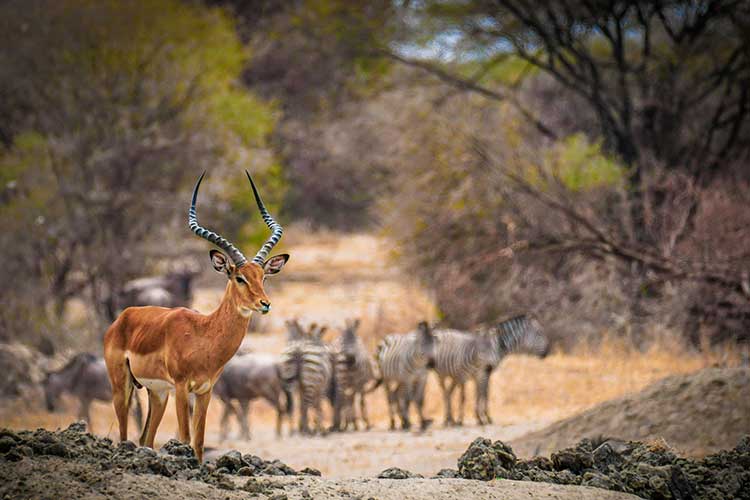
Question 1: "If you were in charge of one wild animal, which one would you protect and why?"
Why it works:
This question does something powerful: it puts your child in the driver's seat. Instead of talking at them about endangered species, you're asking them to care about one, specifically. Kids are natural protectors of their stuffed animals, their siblings, their friends. This taps into that instinct and connects it to something bigger.
Follow-up prompts to keep the conversation going:
Don't rush to fill in the gaps with facts. Let them sit with the questions. The wondering is the point.
Question 2: "What do you think the Earth looked like 100 years ago? What about 100 years from now?"
Why it works:
Children live so fully in the present that stretching their thinking across time is genuinely exciting for them. This question builds something called temporal empathy — the ability to imagine lives and worlds beyond their own moment. It's a skill that sits at the heart of both environmental stewardship and strong storytelling.
You might be surprised:
Kids often imagine futures that are more hopeful than what adults picture. Let that optimism breathe. Ask them what would need to happen to get to that hopeful place. You've just started a conversation about agency and about kids believing they can actually shape what comes next.
Question 3: "What's something in nature that you think is amazing but that most people probably ignore?"
Why it works:
Here's a truth about raising curious kids: wonder is the precursor to care. Before a child will fight to protect something, they have to notice it. This question trains them to look for the overlooked, the earthworm after rain, the lichen on a rock, the way water moves.
It also positions your child as someone with unique knowledge. They might see signals that most people probably ignore and that matters. That sense of being a careful observer is exactly the foundation that scientists, artists, and changemakers are built on.
Try this after:
Take a ten-minute walk together and make a list of everything you both notice. No phones. No agenda. Just noticing.
Question 4: "If nature could talk to us, what do you think it would say right now?"
Why it works:
This is the question that will stop them mid-bite at dinner. It's unexpected, a little playful, and deeply imaginative — three things kids love. But underneath the playfulness is something serious: perspective-taking. Asking a child to give voice to nature is asking them to consider a point of view that isn't their own.
Some kids will say funny things. Some will say heartbreaking things. Some will get very quiet. All of those responses are meaningful. Follow their lead and listen without correcting or directing.
Bonus: this is a wonderful journaling or drawing prompt if your child loves to create.
Question 5: "What's one small thing you want to do differently and what would happen if a million kids did the same thing?"
Why it works:
This is where we bring it home. Not with guilt. Not with "you have to save the planet." But with agency and with the idea that small actions, multiplied, become movements.
The two-part structure here is intentional. The first part (one small thing) keeps it doable and personal. The second part (a million kids) stretches their math brain and their empathy at the same time. It turns a private choice into a collective imagining.
This question also avoids the trap of eco-anxiety, which is real and on the rise in children. Rather than focusing on what's already broken, it focuses on what's possible and on your child's role in that possibility.
A Note for Parents: You Don't Have to Have the Answers
One of the most powerful things you can model for your child is not knowing and being curious anyway. If they ask you something you can't answer ("Why is the ocean getting warmer?" "What happened to the honeybees?"), it's okay to say: "I'm not sure. Want to find out together?"
That's not parenting failure. That's radical curiosity in action.
Earth Day gives us a doorway. These questions help us walk through it — not as teachers with all the answers, but as learners alongside our kids, figuring out the world together.
Ready to empower your child’s critical thinking? Explore our different programs and discover how PopSmart Academy can help your child reach their full potential. Book a FREE trial class here.

Help your kids fall in love with reading!
Need a list of amazing books to get your kids inspired about writing their own stories?
Grab your free copy by completing the form.
We'll email you the ebook!