Human Writers Use Em Dashes—Here's Why That Matters

Win Prizes at our Future Leaders Debate Championship! Click here!

What we're talking about!
Check back often for updates!
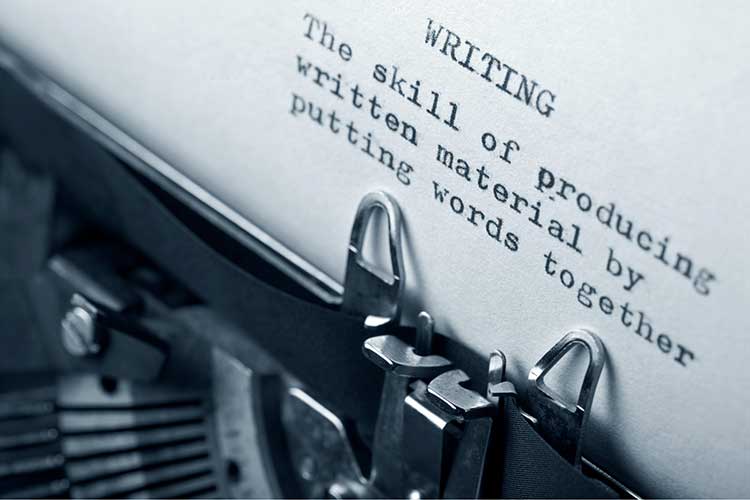
Debunking the emdash myth, a common AI writing assumption.
As AI-generated writing tools have become more widespread, so have efforts to detect and distinguish them from human writing. But in that quest, some myths have emerged—one of the strangest being that the use of em dashes signals that a piece of writing was produced by AI.
Let’s set the record straight: Human writers love em dashes—and they’ve been using them long before artificial intelligence ever typed a word.
What Is an Em Dash?
The em dash (—) is a long dash used in place of commas, parentheses, or colons. It adds drama, rhythm, and voice. It creates a pause—a moment of emphasis or interruption. It’s more than punctuation; it’s a stylistic choice.
Writers like Emily Dickinson, James Baldwin, and even contemporary essayists have used em dashes to capture the flow of thought, insert subtle humor, or add rhythm to a sentence.
In other words: the em dash is a tool of human expression, not a red flag for robot speech.
Usage of Em Dash
As listed in Merriam-Webster there are multiple uses of the emdash, like an abrupt change or break in the structure of a sentence.
“We were planning to leave at noon–until the storm rolled in.”
The em dash is also used as a classic way to capture realistic dialogue or sudden stops in conversation.
“Wait–I didn’t mean to–” “It’s too late.” She turned and walked away without another word.
The em dash can be used in place of a comma–to create emphasis or a more dramatic pause than a regular comma would allow.
My brother–a talented artist–started playing when he was just four years old.
Em Dash vs Hyphen
The em dash (—) and the hyphen (-) may look similar, but they serve very different purposes in writing. A hyphen is mostly used in compound words. It is short and used to connect words or split them at the end of a line—think “well-written essay” or “part-time job.” In contrast, an em dash is longer and used to create a pause, show interruption, or insert additional information—like this. While hyphens help with compound word clarity, em dashes add rhythm, emphasis, or a dramatic break in sentence flow. They’re not interchangeable, and understanding the difference helps writers craft clearer, more expressive prose.
A hyphen separates a prefix, suffix, or medial element from the rest of the word.
For example, jack-o’-lantern sugar cookies or a twenty-five-mile marathon.
Why This Myth Exists
Some AI detection tools and readers have started to associate em dashes with AI because:
But this is a flawed line of reasoning. By that logic, ellipses, semicolons, or even Oxford commas would also be off-limits—despite being valid, human choices in writing.
Why It Matters
Assuming that em dashes are “signs” of AI discourages real writers—especially students—from experimenting with rich, expressive sentence structures. It sends the wrong message: that if your writing sounds too good, it must not be your own.
At PopSmart Academy and in every creative writing space, we teach our students to write with voice and precision. Sometimes that means short, clipped sentences. Sometimes it means long ones—with an em dash right in the middle—because it’s the best way to capture the idea.
So Let’s Reframe the Narrative
Instead of worrying about punctuation patterns, let’s encourage more students to explore the full toolbox of written expression. Let’s teach them that clarity and creativity go hand-in-hand—and that something as small as a dash can carry big meaning.
After all, it’s not the punctuation that defines the writer.
It’s the thinking behind it.
Ready to empower your child’s critical thinking? Explore our science programs and discover how PopSmart Academy can help your child reach their full potential. Book a FREE trial class here.


Help your kids fall in love with reading!
Need a list of amazing books to get your kids inspired about writing their own stories?
Grab your free copy by completing the form.
We'll email you the ebook!